
Making Small Spaces Feel Bigger
Discover lighting tricks, color choices, and furniture placement strategies that expand visual space.
Read ArticleVertical storage, built-in shelving, and multifunctional furniture aren’t just practical—they’re design features. Here’s how to make them look intentional.
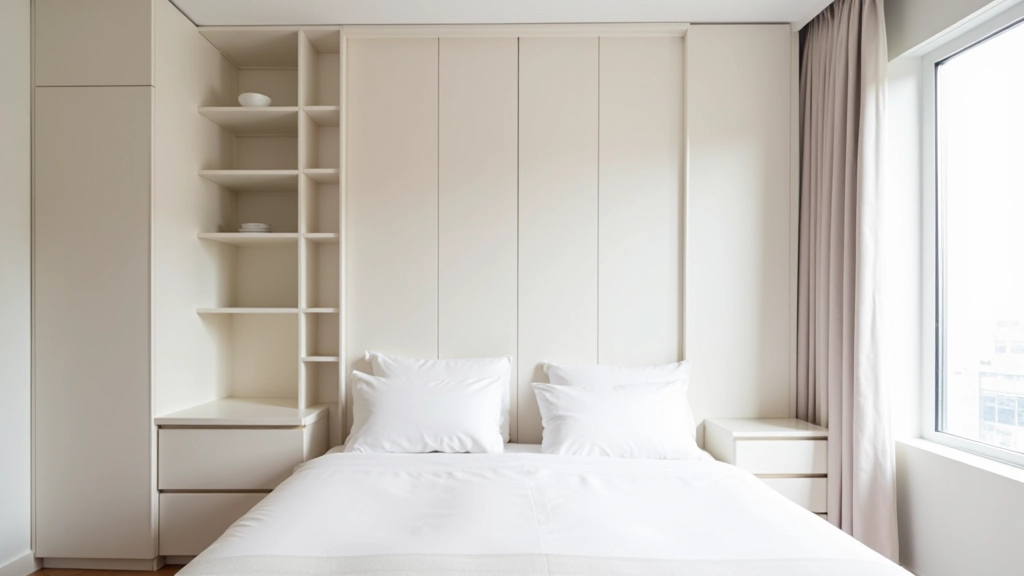
Here’s the thing about storage in Hong Kong apartments—there’s never enough of it. Most people respond by jamming things into whatever corners they can find. But that’s where design comes in.
Smart storage isn’t about hiding clutter. It’s about making storage itself part of your interior design. When you do it right, you’ll actually notice how these solutions improve the way your space looks and feels.
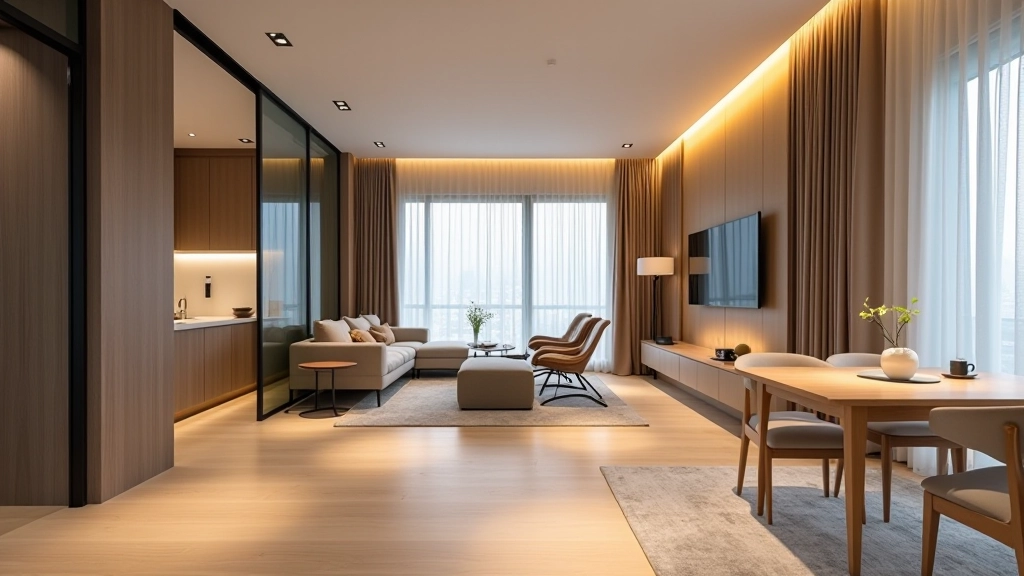
Floor space is precious in Hong Kong. That’s why you’ll want to focus on vertical solutions. Wall-mounted shelving, tall bookcases, and floor-to-ceiling cabinets don’t eat into your living area—they expand your storage without shrinking the room.
The key is intentionality. Don’t just stick shelves randomly on a wall. Plan a cohesive shelving system that actually looks like part of your design. Consider matching shelving materials to your existing trim or using a contrasting color that complements your palette.
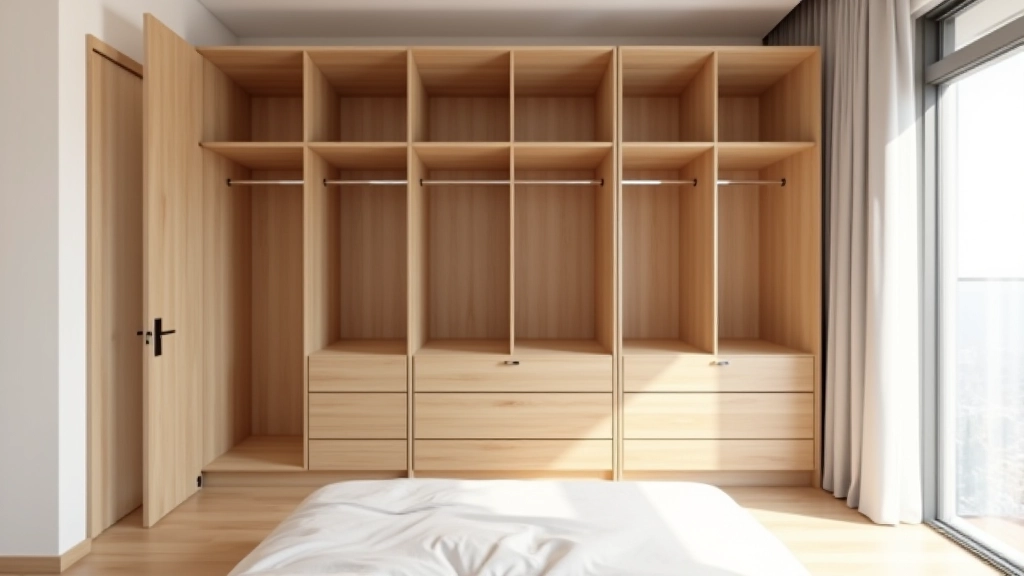
Most apartments come with a basic wardrobe. It’s functional, sure, but it doesn’t do much for your room’s aesthetic. A properly designed built-in wardrobe transforms the entire bedroom.
You’re looking at multiple hanging rails (one for long items, one for shirts), pull-out drawers for folded clothes, and shelving above for seasonal storage. The interior matters as much as the exterior. We’ve seen clients add soft-close hinges, internal lighting, and mirrored panels—details that make the wardrobe feel premium.
Budget ranges from HK$8,000 for a basic fitted wardrobe to HK$25,000+ for a full customization. The timeline is usually 2-3 weeks from order to installation.

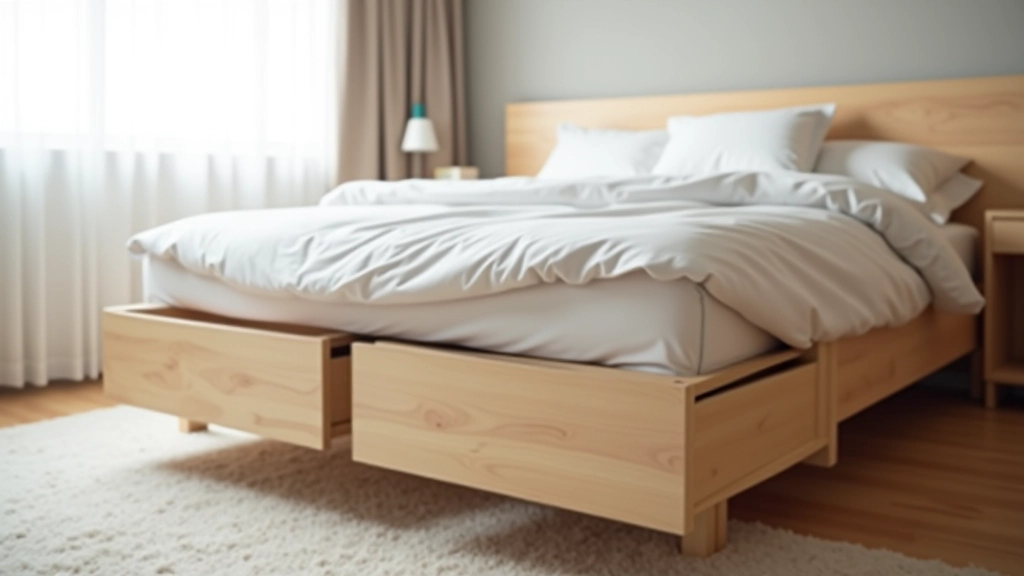
Sometimes built-in solutions aren’t possible. That’s where multifunctional furniture comes in. A bed with under-bed drawers, an ottoman with interior storage, a coffee table with shelves underneath—these pieces work harder than traditional furniture.
The design trick is making sure the piece doesn’t scream “storage furniture.” It should look intentional and styled. A well-chosen ottoman isn’t storage disguised as a seat—it’s a beautiful piece that happens to store things.
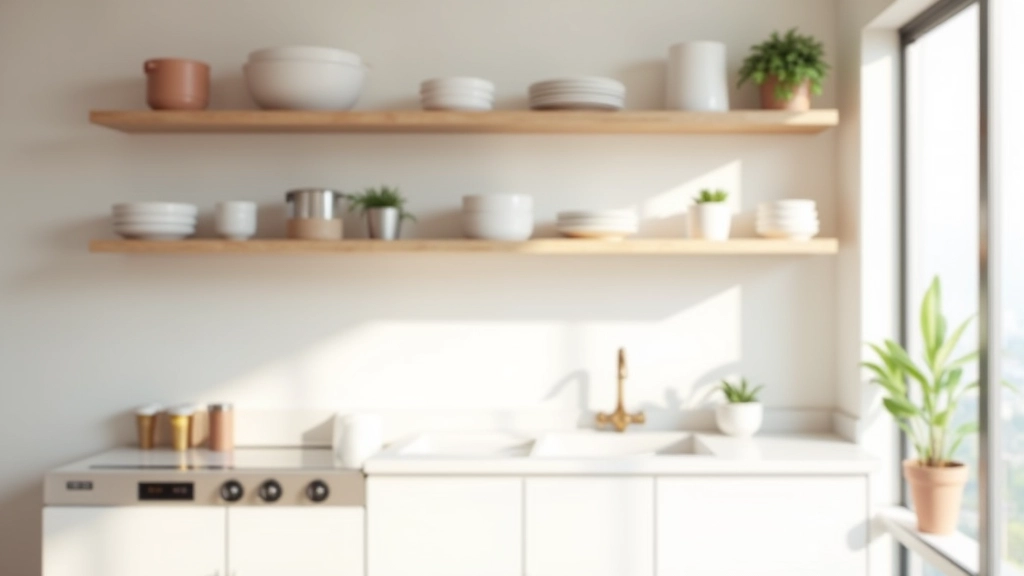
These are spaces where people actually see your storage system every day. A cluttered kitchen counter or overflowing bathroom shelf doesn’t just feel chaotic—it looks unfinished.
Think about adding pull-out pantry systems, drawer dividers, and wall-mounted shelving. In bathrooms, floating vanities with storage underneath and mirrored cabinets create both function and visual interest. The key is keeping items accessible but contained.
Don’t hide everything behind closed doors. Open shelving with styled items (matching jars, coordinated containers) becomes part of your design narrative. It shows intentionality and creates visual interest without clutter.
The apartments that feel most spacious and livable aren’t the ones with the most floor area. They’re the ones where storage has been thought through as a design element. When you plan your storage intentionally—whether it’s vertical shelving, built-in wardrobes, or multifunctional pieces—you’re not just solving a practical problem. You’re improving your entire interior.
Start with your biggest pain point. Is it bedroom storage? Kitchen organization? Entryway clutter? Once you solve one area properly, you’ll see how it changes the feel of that space. And you’ll be motivated to apply the same thinking to the rest of your home.
Good storage isn’t invisible. It’s design that works as hard as it looks beautiful.

This article provides educational information about residential storage design principles and is intended for general learning purposes. The design approaches, budget estimates, and timelines mentioned are based on typical Hong Kong market conditions and may vary depending on specific apartment layouts, building regulations, and contractor availability. Always consult with a qualified interior designer or contractor before undertaking renovation work to ensure solutions meet your building’s requirements and local regulations.