Open Plan Layouts and Zone Definition
Master the art of creating distinct functional zones in open spaces without walls. Learn furniture arrangement, lighting strategies, and visual separation techniques that work in Hong Kong apartments.

May 2026
Why Open Plans Matter in Hong Kong
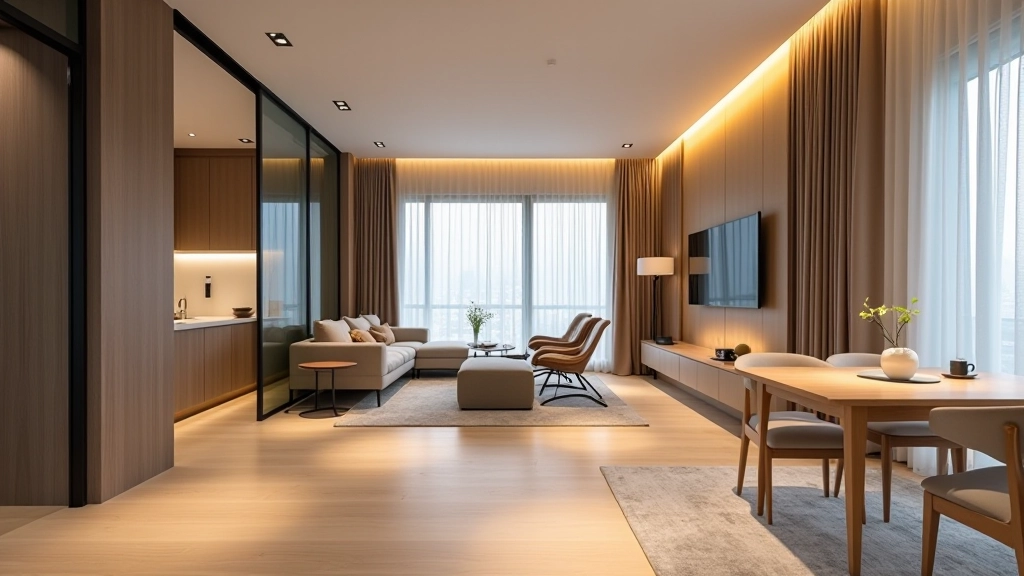
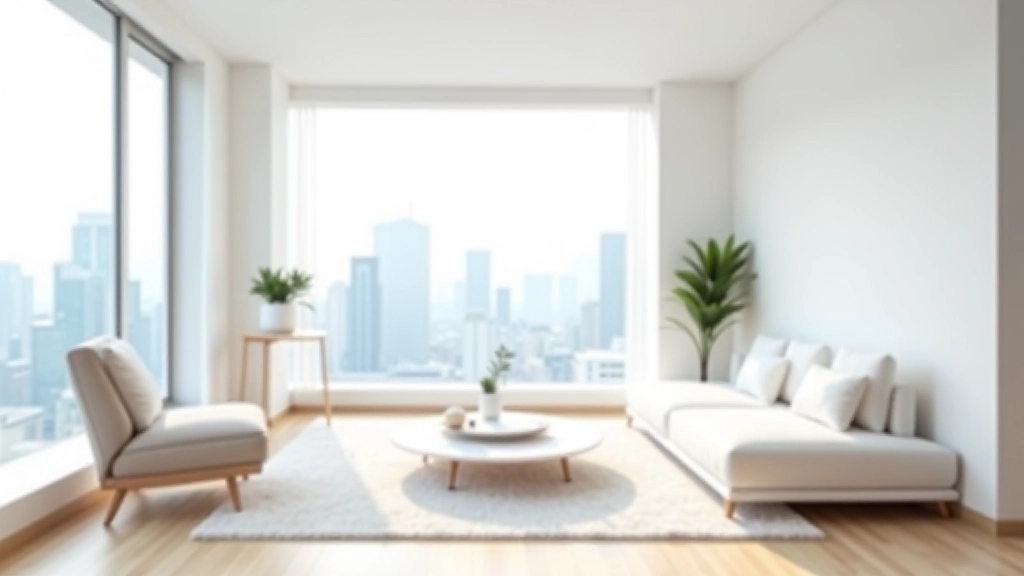
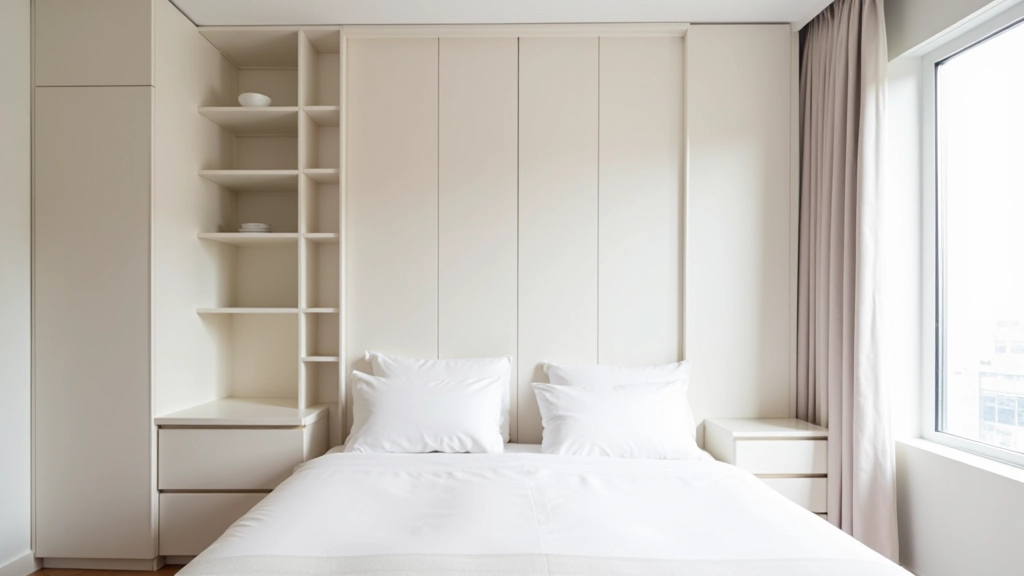
Open-plan living is everywhere in Hong Kong. Whether you’re working with a compact 400-square-foot apartment or a larger modern space, you’re probably dealing with a living room that flows directly into a dining area, kitchen, or bedroom. The challenge? Making these spaces feel organized without chopping them up with walls.
The good news is that you don’t need permanent construction to create zones. It’s about being smart with furniture placement, lighting, materials, and visual cues. When you do this right, people naturally understand where different activities happen — and the space feels way more functional.
Key Insight: Effective zoning is invisible. Your guests shouldn’t see a design trick — they should just feel like the space naturally works for different purposes.
Understanding Your Space
Before you move a single piece of furniture, walk through your apartment at different times of day. Watch how light moves. Notice where people naturally walk. Identify the “quiet zones” (where you’d want to relax) and “active zones” (where cooking or socializing happens).
In most Hong Kong apartments, you’ll have a natural flow — usually an entry point, a kitchen area, a living/dining space, and possibly a sleeping area. These aren’t accidents. They’re built into the floor plan. Your job is to strengthen these natural divisions.
Furniture as Dividers
Furniture is your best tool for zoning. You’re not blocking the space — you’re directing it. A sofa back becomes a subtle barrier. A bookshelf acts as a screen without closing off the room. A console table marks the boundary between living and dining.
The key is placement. Position your sofa to face the TV rather than the kitchen. Angle it slightly away from the dining table. This creates an invisible line. People understand: this side is for relaxing, that side is for eating.
- Low-back furniture maintains sightlines while creating zones
- Floating furniture (not pushed against walls) defines areas more clearly
- Open shelving divides without blocking light or views
- Area rugs anchor zones and define seating groups

Lighting Creates Invisible Boundaries
This is where most people miss an opportunity. Different lighting in different zones transforms how people perceive the space. You’re not just improving visibility — you’re signaling: “This area has a different purpose.”
Bright overhead lights work for kitchens and task areas. Softer, warmer lighting belongs in living and sleeping zones. Use layered lighting — overhead for general brightness, pendant lights above a dining table to anchor that zone, and floor lamps in the seating area. This doesn’t cost much. It’s mostly about positioning lights strategically.
LED dimmers are essential. They’re affordable and let you adjust light intensity based on time of day and activity. Evening dinner doesn’t need the same brightness as morning breakfast.
Materials and Textures Define Zones
Materials aren’t just about aesthetics. They’re functional dividers. Different flooring materials naturally separate zones. Wood or warm tiles in the living area. Sleek stone or light tiles in the kitchen. A plush rug anchors the seating zone.
Wall treatments work too. Paint one wall behind the dining table a different color or texture. Use wallpaper in the sleeping area while keeping living spaces neutral. These visual shifts signal zone changes without structural walls.
Texture matters as much as color. A textured feature wall absorbs sound and creates visual interest. It’s especially useful in Hong Kong apartments where noise travels. Soft fabrics in seating areas, harder materials in kitchens — this reinforces the zone’s purpose.
Creating Zones That Feel Natural
The best zoning feels invisible. Your guests walk in and naturally understand how the space works. They sit on the sofa to relax. They move to the dining table to eat. They head to the quiet corner to work. It’s not because you’ve blocked them off — it’s because you’ve used furniture, lighting, materials, and visual cues to guide them.
Start with these principles: understand your natural flow, use furniture to create subtle boundaries, layer your lighting, and choose materials that signal different zones. You don’t need an expensive renovation. You need thoughtful design that respects how people actually live in open spaces.
Key Takeaways
- Zone definition is about guiding movement and activity, not blocking space
- Furniture placement creates invisible boundaries when positioned strategically
- Layered lighting with different intensities signals different zones naturally
- Different flooring and wall materials anchor zones without walls
- The best design feels like it was always there, not imposed on the space
About This Article
This article provides educational guidance on interior design principles for open-plan living spaces. It’s designed to help you understand design concepts and techniques. Every apartment has unique constraints — building codes, lease restrictions, structural limitations — so consider consulting with a qualified interior designer or architect before making major changes. The techniques described here work in most Hong Kong residential spaces, but your specific situation may require professional assessment.