Storage Solutions That Actually Work
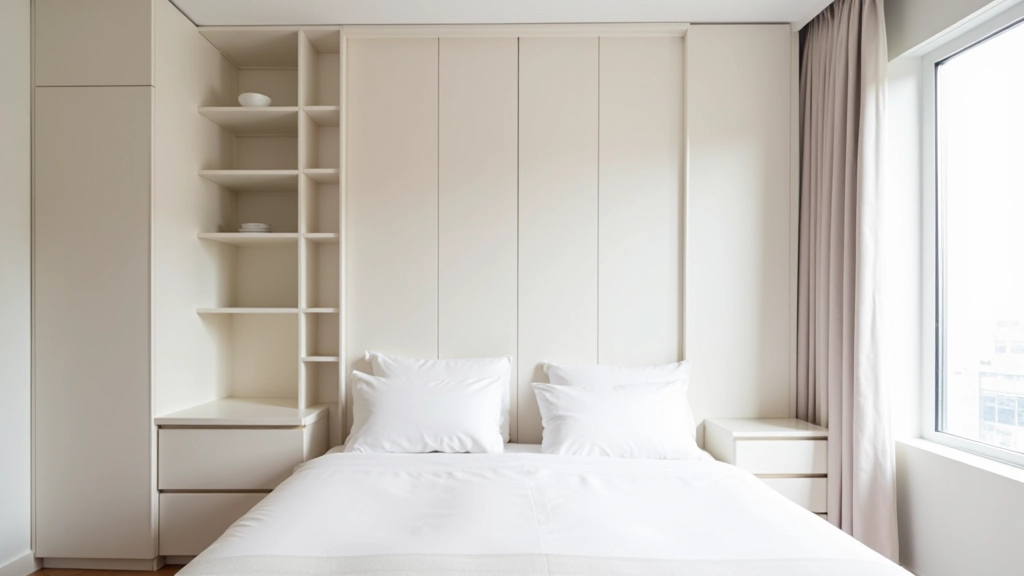
Vertical storage, built-in shelving, and multifunctional furniture aren’t just practical…
Read MoreDiscover lighting tricks, color choices, and furniture placement strategies that expand perception in compact Hong Kong units.
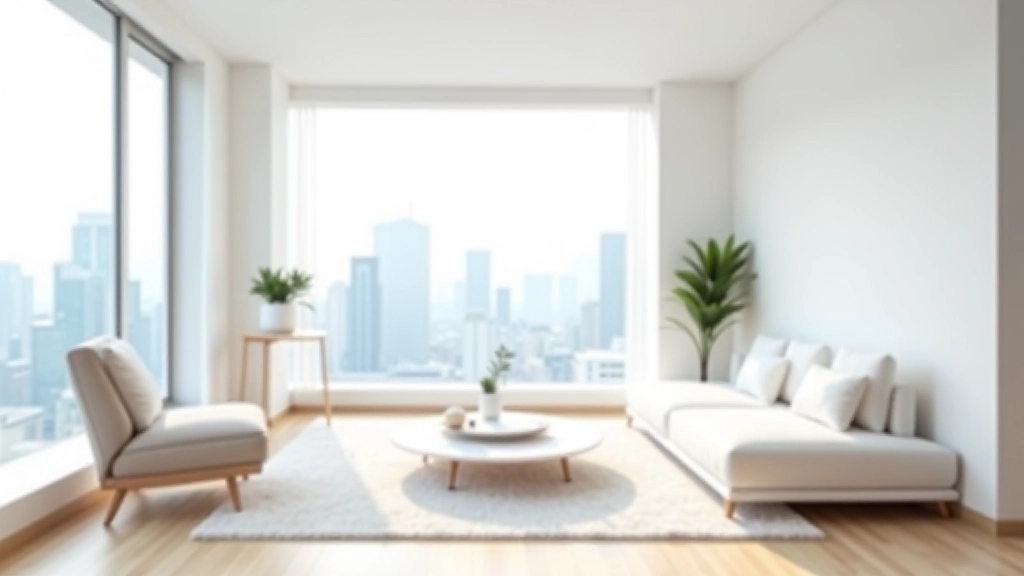
Living in a compact apartment doesn’t mean sacrificing comfort or style. It’s really about understanding how light, color, and spatial arrangement work together to create an illusion of openness. In Hong Kong, where floor space commands premium prices, maximizing perceived square footage isn’t just aesthetically pleasing — it’s practically essential.
We’re going to walk through the core principles that transform cramped rooms into spaces that feel expansive and inviting. You’ll learn techniques that interior designers have perfected over decades, but don’t worry — they’re surprisingly practical to implement yourself.
Natural and artificial light placement dramatically impacts how large a space feels
Certain colors recede visually while others advance, affecting perceived depth
Strategic placement and scale choices create visual flow and openness
Light transforms spatial perception more dramatically than any other single element. When a room is bright and well-lit, it automatically feels larger. Shadows and dark corners make spaces feel cramped and claustrophobic.
Here’s what we’re talking about: maximize natural light by keeping windows unobstructed. Don’t hang heavy drapes if you can help it. Instead, use sheer panels or roller blinds that let daylight flood through. Position mirrors strategically across from windows — they’ll bounce light around the room and create the illusion of additional space.
For artificial lighting, layering is essential. A single overhead fixture creates harsh shadows. Instead, combine recessed ceiling lights, wall sconces, and accent lighting around baseboards or behind furniture. This multi-directional approach eliminates dark zones and makes the space feel open and airy. LED strips along shelving or underneath cabinets? That’s not just decorative — it’s spatial strategy.
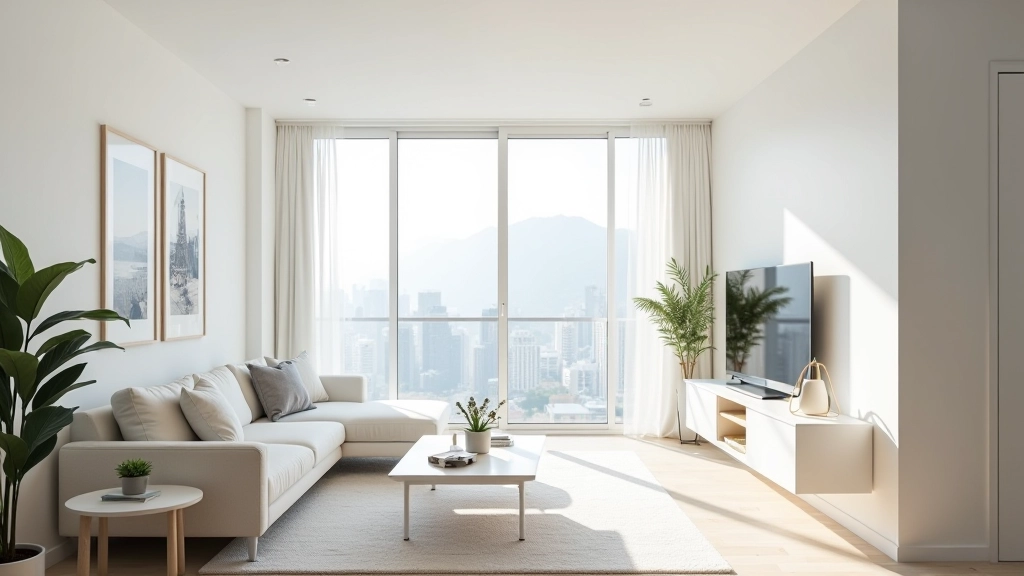

Color has genuine psychological impact on how we perceive space. Light, neutral colors — whites, soft grays, warm beiges — recede visually, making walls feel further away. Dark, saturated colors advance toward us, making spaces feel smaller and more enclosed.
This doesn’t mean your apartment needs to be boring. You can absolutely use color as accent — think a feature wall in soft sage green or a warm terracotta nook. But your primary palette should be light and cohesive. Paint all walls and ceilings the same light color, and you’ll eliminate visual breaks that chop up the space.
Consider how color flows between rooms too. In Hong Kong’s open-plan apartments, maintaining consistent light tones throughout creates continuity. It makes the entire space read as one larger area rather than fragmented zones. Warm whites (2700K undertones) feel more inviting than stark, clinical whites that can feel cold.
The ceiling is crucial — paint it the same color as walls or slightly lighter. A dark ceiling literally lowers the room visually. You’ll notice the difference immediately once you try it.
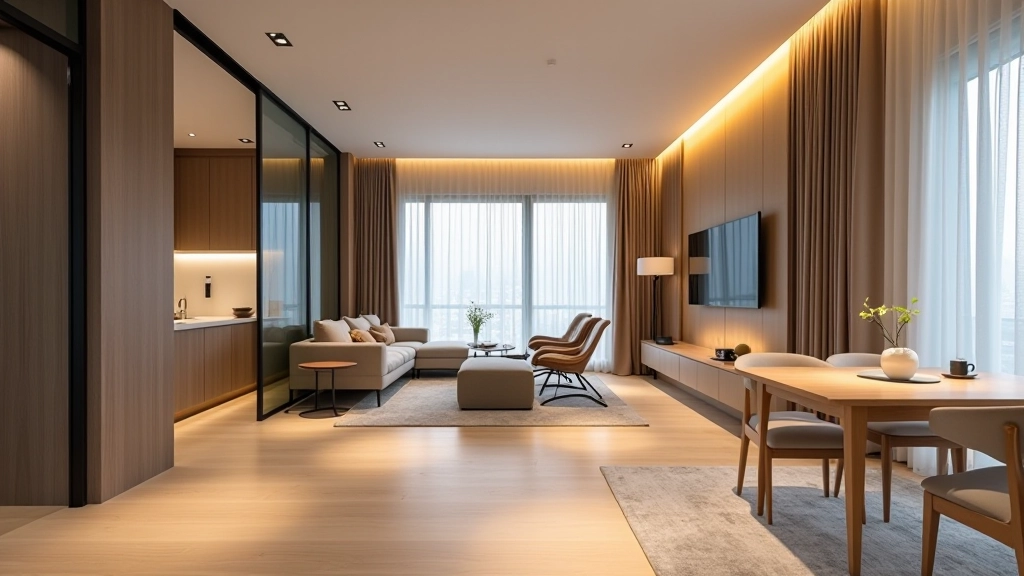

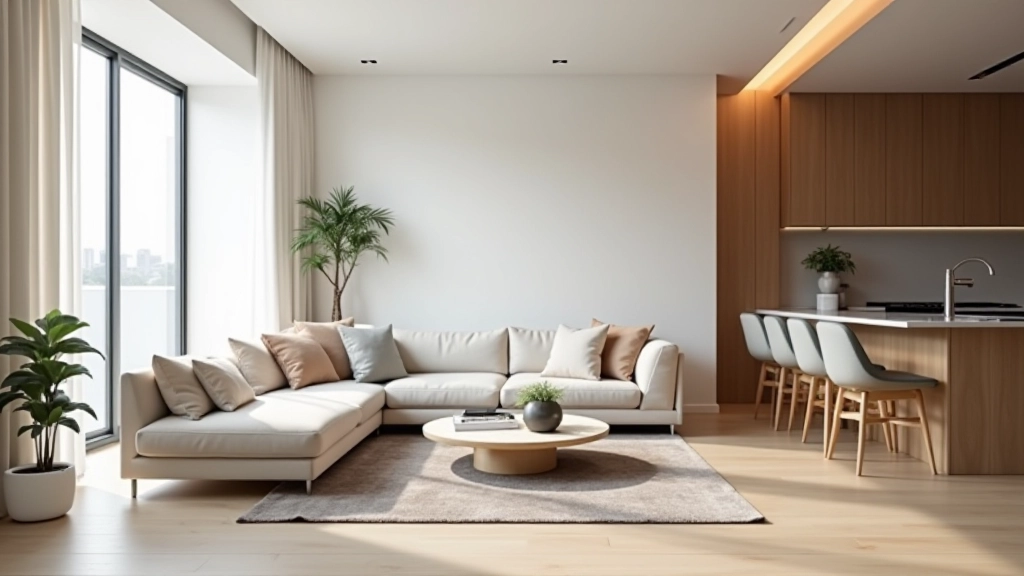
Here’s a common mistake: filling a small room with multiple small pieces of furniture. It actually makes the space feel cluttered and smaller. Instead, use fewer, larger pieces with clean lines. A substantial sofa with simple legs looks more spacious than three small chairs crammed around a corner.
Furniture legs are underrated. When you can see floor beneath pieces, the space visually expands. Bulky, low-slung furniture that sits directly on the ground closes off sightlines. Choose pieces on legs — even 15-20cm of clearance changes how open a room feels.
Arrange furniture to define clear pathways through the space. Don’t push everything against walls. A floating furniture arrangement in the center of the room actually makes it feel larger because it allows sightlines to travel further. Try it: pull your sofa away from the wall, leave at least a meter of clearance, and you’ll immediately feel the difference in openness.
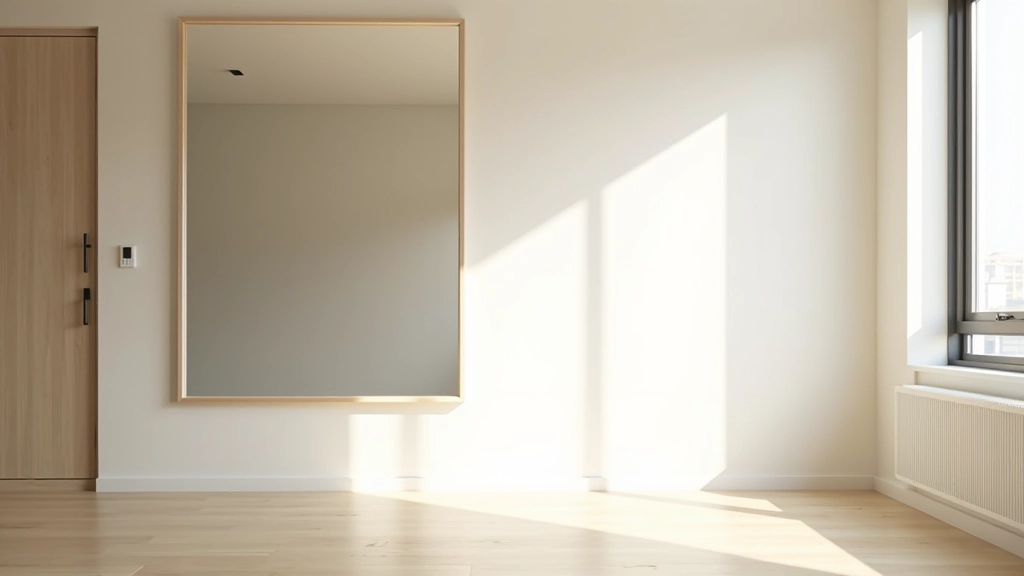
Mirrors aren’t just functional — they’re powerful spatial tools. Position a large mirror opposite a window and it’ll bounce natural light throughout the room while creating the illusion of additional depth. You’ll literally double the perceived light in the space.
Don’t scatter small mirrors around. One substantial mirror or a series of mirrors in a cohesive arrangement works better. A full-height mirror behind a console creates a portal-like effect, making that corner feel infinitely deeper. Leaning mirrors against walls (instead of hanging) also feels more relaxed and flexible.
Beyond mirrors, reflective materials amplify spaciousness. Glossy finishes on cabinetry, metallic accents, and even polished concrete or terrazzo flooring bounce light around. But balance is crucial — too much shine feels cold and clinical. Mix reflective surfaces with matte materials to create visual warmth.
You don’t need to renovate your entire apartment to implement these principles. Start small. Pick one area — maybe your bedroom or the main living space — and apply these techniques together. Paint walls a light, cohesive color. Optimize lighting with layered fixtures. Rearrange furniture to create floating arrangements. Add a large mirror opposite the window.
Watch how the space transforms. Once you experience this, you’ll see why these principles work so universally in compact Hong Kong apartments. The psychological impact is real and immediate. Residents consistently report feeling more relaxed and comfortable in spaces designed with these spatial expansion techniques.
The best part? These aren’t expensive tricks. You’re working with light, color, and spatial arrangement — things you can control without major financial investment. That’s why understanding design fundamentals is so valuable. Small spaces demand smart thinking, not just big budgets.

This article provides educational information about interior design principles and spatial planning. The techniques and strategies described are based on established design practices and principles. Individual results will vary depending on specific space characteristics, structural limitations, and personal preferences. For substantial renovations or structural changes, consult with licensed architects or professional interior designers in Hong Kong who can assess your specific space and provide personalized recommendations.